Rockhampton Pressure Cleaning Costs: What to Expect
If you own a home or business in Rockhampton, you already know how quickly Central Queensland's climate takes its toll on outdoor surfaces. Humidity, summer storms, red dust, mould, algae and the occasional flood-related silt can leave driveways, roofs, decks and fences looking tired well before their time. Pressure cleaning is one of the most cost-effective ways to restore these surfaces, but many property owners aren't sure what a fair price looks like. This guide explains typical pricing in 2026, what affects your quote, and how to get the best value from your next clean.
Typical Pressure Cleaning Prices in Rockhampton
Prices vary between providers, but the ranges below give a realistic starting point for Rockhampton and surrounding suburbs such as Kawana, Norman Gardens, Park Avenue, Gracemere and The Range. Treat them as general guides only, as every property is different and rates change with labour and fuel costs.
Driveways and Concrete
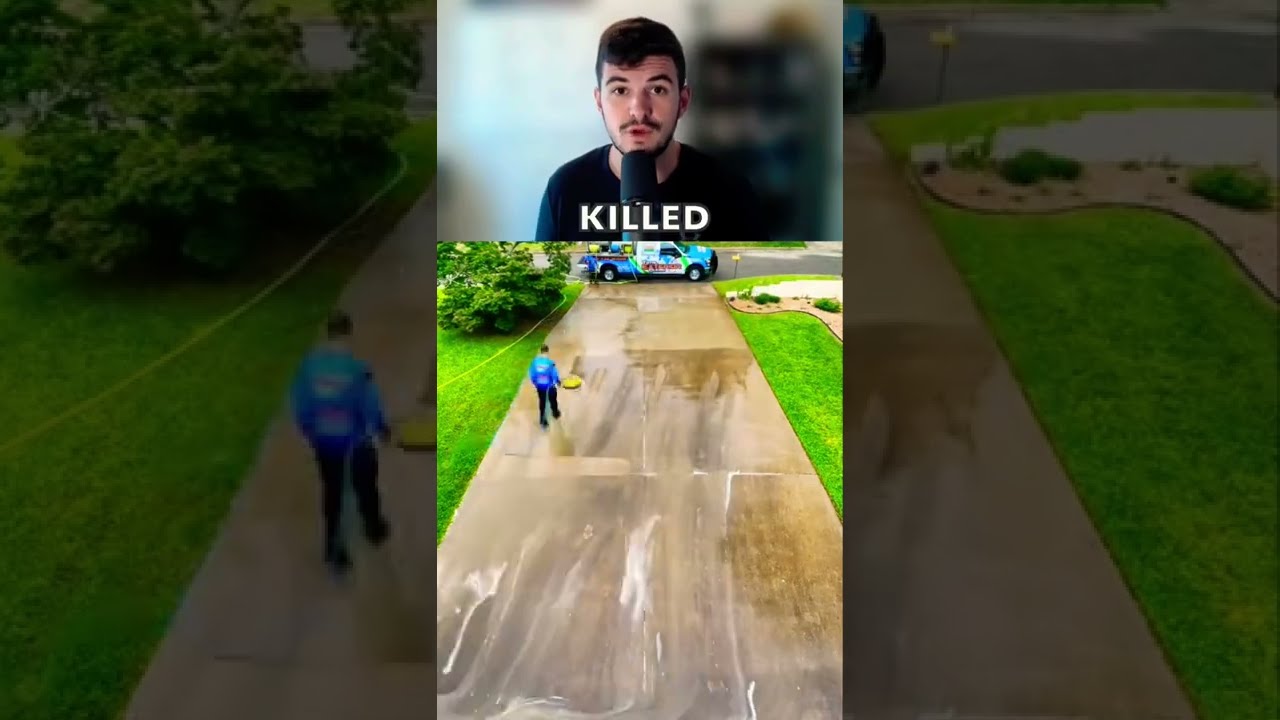
Most operators https://mylesgpxk658.juniperbrief.com/posts/safe-pressure-cleaning-around-pets-plants-and-children charge per square metre for flat surfaces, commonly somewhere between $4 and $12 per square metre depending on condition and access. A standard single driveway often lands between $150 and $400. Heavily stained concrete with oil, rust or years of built-up mould will sit at the higher end. Many companies also set a minimum call-out fee, typically $150 to $250, so very small jobs may cost more per square metre.
House Washing
Exterior house washing is usually priced by the size and height of the home. A single-storey brick or rendered home commonly costs from about $350 to $700, while a large or double-storey property can run from $600 to $1,200 or more. Queenslanders and timber homes with intricate trim, lattice or detailed gables may take longer and cost more. Many providers use a low-pressure soft wash method for walls, which is gentler on paint and render than high pressure.

Roof Cleaning
Roof cleaning generally costs more because of safety requirements and the need for specialised treatments. Expect roughly $500 to $1,500 for an average home, with colour-bond, tile and concrete roofs all handled slightly differently. Treatments that kill mould and lichen spores at the source can extend the time before regrowth, which is a real consideration in our humid summers.
Decks, Patios and Pergolas
Timber decks and outdoor entertaining areas usually cost between $5 and $15 per square metre. Timber needs more careful handling than concrete, because too much pressure can raise the grain or damage the surface. If you want sanding, sealing or oiling after cleaning, that is typically quoted as a separate service.
Fences, Pool Surrounds and Paving
Fences are often charged per linear metre or per job, with many jobs falling between $150 and $500. Pool surrounds and paved areas are typically priced per square metre, similar to driveways. Sealing paving after cleaning is optional but helps resist stains and regrowth.
What Affects Your Quote
Two properties of the same size can receive very different quotes. These are the main factors that influence the final price:
- Surface type: Concrete, pavers, timber, render, tiles and sandstone all need different techniques and equipment.
- Level of build-up: Light dust is quick to remove, while years of black mould, moss or ingrained grime takes longer and may need treatment chemicals.
- Access and height: Steep blocks, tight side access, multi-storey walls and steep roofs raise both time and safety requirements.
- Water access: Operators need a working tap. If water must be brought in, expect an additional charge.
- Total area: Larger areas often receive a lower rate per square metre, so bundling jobs can save money.
- Extras: Mould treatments, rust removal, graffiti removal, sealing and oil-stain treatments are usually extra.
- Travel distance: Rural properties outside the city may attract a travel fee.
Why Rockhampton's Climate Matters
Rockhampton's subtropical conditions create ideal growing conditions for mould, algae and mildew, particularly on shaded south-facing walls, under eaves and on damp concrete. Many homeowners find they need to clean more regularly than people in drier regions. Red dust and airborne pollutants also settle on roofs and walls, dulling paint and building up in gutters. Annual or every-second-year maintenance cleans are common for shaded or high-moisture areas, while sunnier surfaces may only need attention every two to three years.
DIY vs Professional Pressure Cleaning
Hiring or buying a pressure washer can look cheaper at first, with hire rates often between $60 and $120 per day. However, there are trade-offs. Using too much pressure can etch concrete, strip paint, damage timber, force water behind cladding or dislodge roof tiles. Working at height is also a leading cause of home maintenance injuries. Professionals bring commercial-grade equipment, surface-appropriate techniques, insurance and efficient workflow. For small, ground-level jobs such as a path or patio furniture, DIY can be reasonable. For roofs, two-storey walls and delicate surfaces, hiring a pro is usually the safer and more economical choice.
How to Get an Accurate Quote
To compare providers fairly, follow these steps:
- Request quotes in writing that list the areas covered, the method used and any extras included.
- Ask about insurance, including public liability cover, and whether the business holds appropriate working-at-heights safety practices for roofs.
- Clarify chemicals and runoff. A reputable operator will explain which products they use and how they protect gardens, pets and waterways.
- Check for minimum fees and travel charges before you agree to the job.
- Send photos or arrange an inspection so the quote reflects the actual condition of your property.
- Ask about guarantees, such as a re-clean if areas are missed or an agreed standard is not met.
Environmental and Council Considerations
Wastewater from pressure cleaning can carry detergents, oils and sediment. In Queensland, it should not be allowed to enter stormwater drains, which flow to local waterways including the Fitzroy River. Responsible operators in 2026 use methods such as capturing runoff, using biodegradable products where suitable, and directing water onto lawn or garden areas when appropriate. Commercial sites, such as shopping centre car parks and service station forecourts, often have stricter requirements, and cleaning in those locations may involve water recovery equipment that adds to the cost.

Tips to Save Money and Extend Results
- Bundle services such as driveway, house wash and fences in a single visit to reduce call-out costs.
- Book in the drier months, typically through winter and early spring, when demand can be more manageable and surfaces dry faster.
- Trim overhanging trees and keep gutters clear to reduce moisture and debris build-up.
- Seal surfaces after cleaning where appropriate to make future cleans quicker and cheaper.
- Do light maintenance with a broom or a mould-inhibiting wash between professional cleans.
Is Pressure Cleaning Worth the Cost?
Regular cleaning does more than improve appearance. Removing slippery algae from paths and steps reduces slip hazards, while keeping roofs and walls free from mould helps protect paint and materials. For homeowners preparing to sell or rent a property, a professional clean is one of the most affordable ways to lift curb appeal before photos and inspections. Over the long term, preventing surface deterioration can delay costly repainting or resurfacing work into 2027 and beyond.
Final Thoughts
Pressure cleaning costs in Rockhampton depend on the surface, size, condition and access of your property. By understanding typical price ranges, asking the right questions and comparing written quotes, you can find a service that delivers a great result at a fair price. For the most accurate figure, contact a local provider, share photos of the areas you want cleaned, and ask for a clear, itemised quote.
Rockhampton Pressure Cleaning Pros
(07) 4065 8492